Reading Edinburgh’s skyline through british mountains
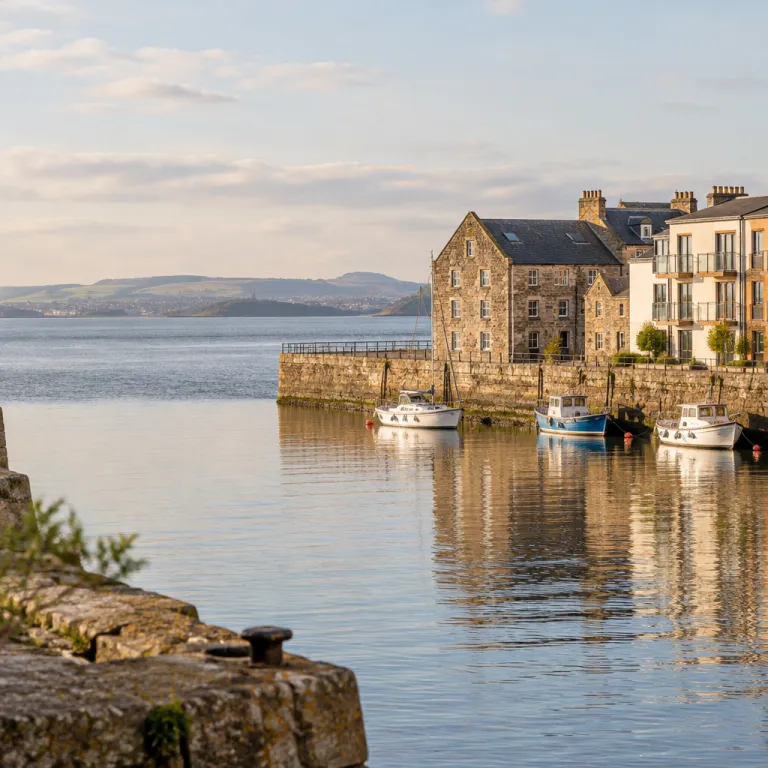
Edinburgh rewards visitors who understand how British mountains shaped the city’s character and skyline. The volcanic mountain profile of Arthur’s Seat and Calton Hill echoes the rugged mountains of Scotland, Wales, England and Ireland, giving you a dramatic backdrop when choosing where to stay. From many Leith hotels you can trace a mental list of the highest peaks in the British Isles while watching the light shift over the Firth of Forth and the cranes of the working docks.
Think of the city as a coastal gateway between the sea and the mountains, with Leith and the waterfront forming the low lying harbour and the Old Town rising like a defensive hill. This geography mirrors how each UK nation has its own highest mountain and its own national park network, from Ben Nevis in Scotland to Snowdon in Wales and Scafell Pike in England. When you book a hotel in Edinburgh you are effectively choosing your base camp for exploring both the urban peaks and the wider British mountains beyond the city, whether you travel by rail, road or guided tour.
For many travellers the appeal lies in combining a refined city stay with day trips to the Lake District, the Peak District or the Cairngorms National Park. You might spend one day tasting seafood in Leith, perhaps at a Shorefront bistro such as The Ship on the Shore, then the next day stand on a windswept summit in the Highlands or in the Brecon Beacons in the south of Wales. Understanding this relationship between harbour, hill and mountain helps you select a neighbourhood where the views, transport links and atmosphere match your own list of travel priorities.
Choosing a Leith hotel if you love british mountains
Travellers who care about British mountains often want water views, big skies and easy access to train routes heading north and south. Leith and the waterfront offer exactly that, with hotels overlooking the harbour that still feel connected to the distant peaks of Scotland and the national parks of England and Wales. When you wake to a sunrise over the Firth, it is easy to picture the highest point of Ben Nevis or the rocky summit of Snowdon on the horizon, even while ferries and fishing boats move below.
When comparing properties, look for rooms that face west or south west, because these angles often frame Arthur’s Seat like a small urban mountain. This extinct volcano is modest in height compared with the highest mountains of the British Isles, yet its steep slopes and craggy peaks give you a daily reminder of the larger mountain landscapes beyond. Guests who enjoy the idea of the Three Peaks challenge in England, Scotland and Wales often appreciate this visual link between city hill and distant summit, especially at sunset when the rock turns deep orange.
If photography matters to you, use an Edinburgh photography spots map to choose the right hotel, especially around Leith’s docks and the Shore. From here you can capture long perspectives that align the waterfront with the far off Highlands, almost as if the list of Munro peaks begins at the harbour wall. This blend of maritime light and mountain inspired skyline makes Leith one of the most atmospheric districts for travellers who feel drawn to both sea and mountain, and who want their hotel window to frame both elements.
Hidden gems in Leith that echo british mountains
Leith’s most rewarding corners are not always on the main tourist list, yet many of them quietly reference British mountains in their design, views or atmosphere. Small waterfront parks and elevated terraces give you layered perspectives, with the low hill of Calton in the distance and, on clear days, faint outlines of higher peaks in Scotland. These subtle sightlines can feel surprisingly powerful if you have stood on the summit of Ben Nevis, Snowdon or Scafell Pike and now recognise their shapes on the horizon.
Seek out the quieter stretches of the Water of Leith Walkway, where the river narrows and the banks rise like miniature gorges. The gentle height changes here are nothing like a true mountain, but they still echo the folds of the Lake District or the Yorkshire Dales in soft focus. Walkers who have tackled the Three Peaks of England, Wales and Scotland often comment that these small urban climbs stir memories of bigger national parks and their highest mountains, especially when the path is slick with rain and the trees drip like a mountain forest.
When planning day trips from your Leith base, the Cairngorms and other Scottish ranges become realistic options if you organise transport carefully. Guidance such as checking VisitScotland or local mountain guiding services when planning an Edinburgh hotel stay can help you coordinate guiding, snow conditions and safety checks. This kind of preparation matters because what counts as a mountain in Britain is generally landforms over about 600 metres above sea level, often with prominence criteria, and conditions at that height can change quickly even when Edinburgh’s waterfront feels calm and sheltered.
From Leith to the highest peaks of the british isles
One reason Edinburgh works so well as a hotel base is its rail and road access to the highest mountain areas of the British Isles. From Waverley Station you can reach the Lake District for Scafell Pike, the highest peak in England, in around three to four hours by train via Oxenholme and onward local services, or continue north to Fort William for Ben Nevis, the highest mountain in the United Kingdom, in roughly five hours on the West Highland Line, according to typical National Rail journey planners. Routes south connect you with the Brecon Beacons and Pen y Fan, while ferries and flights link to Northern Ireland and the highest point of Slieve Donard.
Guests who enjoy structured challenges often arrive with a personal list of mountains they hope to climb during a longer stay. Some focus on the Three Peaks of Scotland, England and Wales, while others prefer a slower exploration of national parks such as the Peak District, the Yorkshire Dales or Snowdonia National Park. Whatever your plan, a calm night in Leith between summit days can be invaluable for recovery, especially after long descents from steep peaks and hours of driving or train travel.
Scotland’s Munro classification, which covers 282 peaks over 914 metres, adds another layer of ambition for experienced hikers. Many travellers use Edinburgh as their urban anchor while gradually working through their own list of Munro mountains, including giants such as Ben Macdui in the Cairngorms. Having a reliable hotel in Leith, such as Malmaison Edinburgh on the waterfront or a serviced apartment near The Shore, means you can return from remote national parks, warm up, and enjoy waterfront dining before planning the next peak on your itinerary with maps spread across the table.
Family friendly stays in Leith for mountain minded travellers
Families who love British mountains often look for Edinburgh hotels that balance outdoor access with space, parks and calm streets. Leith offers several properties close to green areas and play spaces, which can feel like a gentle foothill experience for younger children. Choosing a family base in Edinburgh where to stay for space, parks and short legs can make it easier to combine city sightseeing with future trips to higher peaks in Scotland or England, without overwhelming first time hill walkers.
Parents who have already walked in the Lake District, the Peak District or the Brecon Beacons know that rest days matter as much as summit days. A waterfront hotel in Leith lets you introduce children to the idea of hills and mountains by climbing Calton Hill or Arthur’s Seat before tackling bigger national parks. These smaller climbs help them understand concepts such as height, summit and highest point in a safe, accessible way, while still returning to playgrounds and ice cream on the Shore afterwards.
Use the city’s museums and viewpoints to tell stories about the highest mountains in each UK nation, from Ben Nevis in Scotland to Snowdon in Wales and Scafell Pike in England, plus Slieve Donard in Northern Ireland. Many families keep a simple list of mountains they hope to visit over several years, turning each holiday into another step towards the British Isles’ greatest peaks. Returning each evening to a comfortable Leith hotel gives everyone time to rest, reflect and plan the next hill or mountain together, perhaps marking new summits on a wall map.
Practical mountain planning from an Edinburgh waterfront base
Staying in Leith places you within easy reach of transport hubs, specialist outdoor shops and expert advice for trips into British mountains. Before heading to any mountain area, prepare for rapid weather changes at altitude, dress in layers and wear sturdy boots. You should also check access restrictions in national parks and carry a map and compass even when GPS works, because conditions on a high peak can deteriorate faster than they do on Edinburgh’s coastal paths or city parks.
Use Edinburgh’s outdoor retailers and guide services to refine your list of target peaks across Scotland, England, Wales and Northern Ireland. Staff can explain the differences between a Munro such as Ben Macdui, a lower hill in the Yorkshire Dales or a rugged summit in the Brecon Beacons National Park. They can also help you compare the relative height and difficulty of routes on Ben Nevis, Snowdon or Scafell Pike, so your hotel based excursions remain enjoyable rather than exhausting and you return to Leith with energy for the next day.
When planning logistics, remember that national parks such as the Lake District, the Peak District and Snowdonia each manage parking, conservation and path maintenance differently. This means your approach to the highest mountains in England and Wales may not match what you experience on Scotland’s Ben Nevis or other Scottish peaks. Treat your Leith hotel as a planning studio where you review maps, consult National Rail timetables, update your list of mountains and adjust your schedule according to weather, transport and your own energy levels.
Key figures on british mountains and Edinburgh as a base
- Ben Nevis in Scotland stands at 1,345 metres in height, making it the highest mountain in the United Kingdom and a major objective for visitors using Edinburgh as a starting point (based on Ordnance Survey mapping and Scottish Mountaineering Club summaries).
- Snowdon, also known as Yr Wyddfa, reaches 1,085 metres and is the highest peak in Wales, often combined with an Edinburgh city break and rail trip to Snowdonia National Park (Visit Wales information and UK mountain databases).
- Scafell Pike in the Lake District rises to 978 metres, giving England its highest point and forming one third of the popular Three Peaks challenge that many travellers plan from an Edinburgh hotel base (Database of British and Irish Hills and hillwalking guides).
- Scotland has 282 Munro peaks over 914 metres, which encourages repeat visits and makes Edinburgh a strategic hub for climbers gradually working through their personal list of mountains (Scottish Mountaineering Club data).
FAQ about Edinburgh hotels and british mountains
What counts as a mountain in Britain when planning day trips from Edinburgh ?
In Britain a mountain is generally considered to be any landform over about 600 metres above sea level, often with additional prominence criteria. This definition helps you distinguish between local Edinburgh hills such as Calton Hill and true mountains like Ben Nevis or Snowdon. When booking a hotel, use this benchmark to decide whether you want easy hill walks or full mountain days during your stay, and plan your packing accordingly.
Is Edinburgh a good base for climbing Ben Nevis, Snowdon and Scafell Pike ?
Edinburgh works well as a cultural and logistical base, especially if you value a refined city stay between demanding mountain days. Ben Nevis is the most accessible from Edinburgh by rail or road, while Snowdon and Scafell Pike usually require longer journeys or multi day itineraries. Many travellers start or end a Three Peaks schedule in Edinburgh, using Leith hotels for rest and recovery and to enjoy a final evening by the waterfront.
How many Munro peaks can I realistically reach from an Edinburgh hotel ?
Scotland has 282 Munro peaks, and a significant number lie within a half day drive of Edinburgh, including ranges in the Cairngorms and the southern Highlands. From a Leith base you can realistically plan one or two Munro ascents during a short city break, or many more during an extended stay. The key is to match your fitness and experience to the height, distance and technical demands of each chosen summit, using Scottish Mountaineering Club information as a guide.
Are there family friendly mountain style experiences near Leith without long travel times ?
Yes, families can enjoy hill walks that feel like gentle introductions to mountain terrain without leaving the city boundary. Arthur’s Seat and the surrounding Holyrood Park offer steep paths, rocky sections and rewarding views that echo the atmosphere of higher peaks. These outings pair well with a family friendly Leith hotel and help children build confidence before visiting national parks such as the Lake District or the Peak District, where routes are longer and weather more exposed.
What safety preparations should I make before leaving my Edinburgh hotel for the mountains ?
Before any mountain day, check detailed weather forecasts, pack waterproof layers, carry enough food and water, and ensure someone knows your route and expected return time. You should also bring a paper map, compass and charged phone, even if you plan to follow well marked paths in national parks. For more remote peaks, consider hiring a qualified guide or using specialist advice services before leaving your Leith waterfront base, especially in winter or poor visibility.
References
- Ordnance Survey mapping for the United Kingdom.
- Scottish Mountaineering Club, official Munro lists and guidance.
- Database of British and Irish Hills, elevation and prominence data.