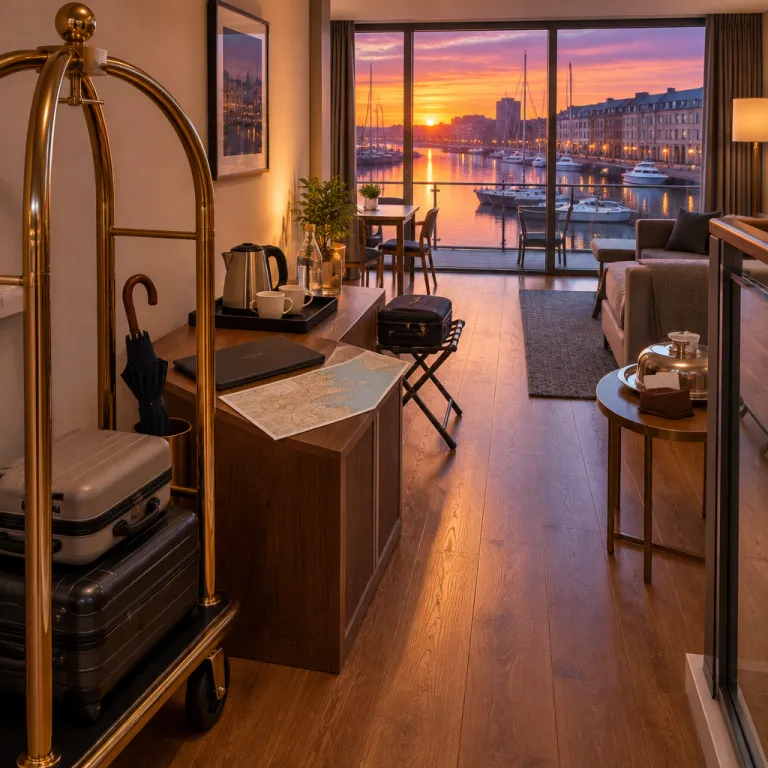
How this Edinburgh student accommodation guide helps hotel guests choose the right area
Edinburgh can feel compact on a map, yet students and hotel guests experience very different patterns of daily life. This Edinburgh student accommodation guide borrows the same logic that students apply when they search for flats and halls, then translates it into clear advice for choosing a hotel near Leith and the waterfront. When you read about where a student lives, studies, and socialises, you gain a sharper view of which rooms and properties will suit your own stay.
The University of Edinburgh reported more than 49,000 students in 2023–24 across undergraduate and postgraduate programmes, while Heriot-Watt University counted over 11,000 students on its Scottish campuses, many of whom choose Leith for its creative energy and relatively flexible rent contracts. Their student living choices cluster around tram stops, bus corridors, and streets that are a ten to fifteen minute walk from key lecture halls, cafés, and part-time jobs. When you book a hotel or guesthouse in accommodation Edinburgh offers near those same routes, you benefit from the same efficient connections and lively but manageable nightlife.
Think of this as an accommodation guide that treats you like a temporary student, even if you are visiting for business or leisure. You may not be signing a full academic year lease or needing shared student halls, yet the same principles about noise, safety, and access to services apply. By understanding the types of student accommodation and student halls in Leith, you can find student-style convenience while still enjoying hotel comfort and privacy.
Leith and the waterfront: where students live and why that matters for hotel guests
Leith has shifted from working docks to one of Edinburgh’s most desirable neighbourhoods for students and visitors. Undergraduates from the University of Edinburgh and postgraduates from Heriot-Watt often choose this area because they can live Edinburgh life close to the water while keeping rent slightly lower than in the Old Town. For hotel guests, staying near these student accommodation clusters means easy access to affordable food, late-opening supermarkets, and frequent buses into the city centre.
Purpose-built private halls line key streets between Leith Walk and the waterfront, mixing private student studios with shared flats of four to six rooms. These modern residences sit within a fifteen to twenty minute walk of tram stops such as Balfour Street, Foot of the Walk, and The Shore on the Edinburgh Trams Newhaven line, which connect directly towards St Andrew Square and the city’s rail stations in roughly fifteen minutes. When you choose a hotel within a similar walking radius, you mirror the best student strategies for balancing quieter nights with quick commutes.
Traditional tenement flats remain popular with year students who prefer classic architecture and flexible weeks of stay outside the strict academic year. Many such properties sit on calmer side streets off Leith Walk, including stretches of Easter Road, Pilrig Street, and Constitution Street, where student living blends with long-term residents and independent shops. A hotel, serviced apartment, or guesthouse on these same streets offers a more local view of Edinburgh, while still keeping you close to the waterfront paths and the restaurants around The Shore.
From student halls to hotel rooms: understanding property types and what they signal
Students in Edinburgh choose between several main types of accommodation, and each type tells you something useful when you select a hotel. University halls and private halls tend to cluster near major bus routes, supermarkets, and late-night food options, which also benefit short-stay visitors. When you see a concentration of student halls on a map, you can safely assume that the surrounding streets offer practical services within a five to ten minute walk.
University halls usually house first-year students in shared flats with individual rooms and communal kitchens, while private student residences often provide a mix of en suite rooms and compact studios. These private student properties are designed for a full academic year, yet many also offer summer lets for language schools and short courses, which keeps the area lively even when standard semesters end. If you prefer a quieter hotel, look for accommodation Edinburgh provides just beyond these blocks, where the noise level drops but you still enjoy the same transport links.
Unite Students and similar operators manage several large buildings between Leith and the city centre, and their presence signals reliable infrastructure and well-lit streets. While you will not pay a deposit or sign a rent contract for a hotel room, it helps to read local listings as if you were trying to find student housing for a relative. Areas that attract strong student reviews for safety, connectivity, and value usually translate into excellent choices for budget-conscious hotel guests, especially when combined with wider Edinburgh budget travel tips on choosing affordable areas, hotels, and transport.
Hidden gems in Leith and the waterfront that students quietly enjoy
Once you understand where students sleep, it becomes easier to follow where they relax between seminars and shifts. Around The Shore, narrow lanes off Commercial Street and Bernard Street lead to small cafés and independent galleries that many students use as informal study rooms during the day. Booking a hotel within a short walk of these spots gives you calm corners for reading, remote work, or simply watching local life unfold.
Further along the waterfront, paths towards Newhaven Harbour offer long, breezy walks that year students use to decompress after exams and deadlines. These routes are not only scenic but also practical, linking clusters of student accommodation with parks, gyms, and low-key pubs that stay open late without feeling rowdy. When you live Edinburgh life for a few days in a nearby hotel, you can follow the same routes and enjoy a softer, more residential side of the city.
Hidden courtyards off Leith Walk contain community gardens and small venues where students host exhibitions, film nights, and acoustic gigs. These spaces rarely appear in standard tourist brochures, yet they shape the daily living patterns of both student and long-term residents. Choosing a room in a guesthouse or hotel close to these micro hubs gives you an authentic view of Edinburgh culture, while still keeping you within easy reach of the Old Town and New Town by tram or bus.
How student calendars, rent patterns, and academic years affect hotel prices
Student life in Edinburgh runs on the rhythm of the academic year, and hotel prices often follow the same curve. The University of Edinburgh and Heriot-Watt typically start teaching in mid-September and run through to late May, with assessment periods in December and April–May, and these dates shape demand for rooms. When students sign contracts for a full academic year around September, demand for long-term rooms peaks, but short-stay hotel availability can briefly improve.
Many private halls release spare rooms for short lets outside core teaching weeks, especially during summer language schools and conference seasons. While you may not book these directly as a hotel guest, their presence shapes the wider market and can ease pressure on nearby hotels in Leith and the waterfront. Reading local listings and understanding when year students move in or out helps you time your visit for calmer streets and more competitive nightly rates.
Heriot-Watt and University of Edinburgh exam periods also influence how busy cafés, libraries, and public transport feel, which matters if you prefer quieter surroundings. When students focus on revision, nightlife often softens, making residential areas around student halls more peaceful for hotel guests. Aligning your stay with these phases of the academic year can give you a more relaxed experience, especially if you value early nights and quiet corridors.
Choosing your hotel like a student: practical criteria that really matter
Students learn quickly which details of a room or building genuinely affect daily comfort. They pay close attention to noise insulation, heating, and the distance in minutes walked to tram stops, supermarkets, and campus buildings. When you choose a hotel in Leith or near the waterfront, applying the same filters helps you find the best student-style balance between convenience and calm.
Look at maps as if you were trying to find student housing for a nine-month stay, even if you are only visiting for a few weeks. Check how many minutes it takes to walk from your potential hotel to the nearest tram stop, late-opening supermarket, and cluster of cafés that stay friendly to laptops and quiet reading. Properties that would suit a serious student usually offer strong Wi‑Fi, practical desk space, and reliable hot water, all of which benefit business travellers and families as well.
While you will not need to pay a deposit or sign a rent contract, it still helps to read reviews with the same care that a student would. Notice comments about street noise, heating, and how staff handle late check-ins, because these mirror the concerns students have about landlords and university halls. If an area consistently attracts positive student feedback for safety and transport, it is usually a smart choice for hotel guests who want to live Edinburgh life with minimal stress.
Blending student energy with hotel comfort: making the most of your stay
Staying near student accommodation in Leith lets you tap into a youthful energy while still retreating to a quiet hotel room at night. You can spend the day exploring campus areas around the University of Edinburgh or Heriot-Watt, then return to the waterfront for calmer evenings by the water. Many visitors enjoy following student walking routes between Leith Walk, The Shore, and Calton Hill, combining study-friendly cafés with panoramic viewpoints.
If you enjoy romantic things to do in Edinburgh, castles, views, walks, and stays, you can still base yourself in Leith and use the tram or bus to reach the Old Town in under thirty minutes. This approach mirrors how students balance academic commitments with citywide exploration, using public transport rather than taxis to keep costs under control. By choosing accommodation Edinburgh provides near both student hubs and transport lines, you gain flexibility without sacrificing comfort.
Think of this Edinburgh student accommodation guide as a way to read the city through the eyes of its students while still sleeping in hotel-grade beds. You benefit from the same careful choices about location, safety, and daily living, yet you avoid the long-term commitments of rent contracts and shared kitchens. When you find student-style convenience wrapped in hotel service, Leith and the waterfront become an ideal base for both short breaks and extended stays.
Key figures on Edinburgh students, accommodation, and Leith
- The University of Edinburgh reports more than 49,000 students across undergraduate and postgraduate programmes in recent years, which significantly shapes demand for rooms and hotels near central and waterfront areas.
- Heriot-Watt University lists over 11,000 students on its Scottish campuses, increasing pressure on accommodation in neighbourhoods with direct bus links, including parts of Leith.
- Purpose-built student accommodation in Edinburgh has expanded steadily over the past decade, concentrating many new properties along Leith Walk and near the tram corridor.
- Average private rent for a student room in Edinburgh frequently sits above £600 per month excluding bills, among the highest in Scotland, encouraging many students to choose Leith for relatively better value and strong transport connections.
- Walking times from Leith Walk to the Royal Mile typically range between 25 and 35 minutes, while tram journeys from Leith to the city centre often take around 15 minutes, which is useful for both students and hotel guests.
Frequently asked questions about student areas and hotels in Edinburgh
Is Leith a good area for hotel guests who want a student vibe ?
Leith suits visitors who enjoy creative neighbourhoods, independent cafés, and a noticeable student presence without late-night chaos. The area hosts several student halls and private residences, which support affordable food options and frequent public transport. Hotels and guesthouses near The Shore or just off Leith Walk balance local character with easy access to the city centre.
How close is Leith to the main University of Edinburgh campus ?
Leith sits a short tram or bus ride from the central University of Edinburgh campus areas around George Square and the Old Town. Typical journeys take roughly 20 to 30 minutes depending on traffic and your exact starting point. Many students accept this commute in exchange for lower rent and waterfront living, which also benefits hotel guests.
When is the quietest time to stay near student accommodation in Edinburgh ?
Quiet periods usually fall between major exam seasons and festival dates, when students focus on coursework and tourists are fewer. Late spring and parts of early winter often bring calmer streets and more competitive hotel rates. Checking university term dates helps you avoid peak move-in weekends and graduation ceremonies.
Do student areas in Edinburgh feel safe for visitors staying in hotels ?
Student neighbourhoods such as Leith, Marchmont, and Newington are generally well lit and busy, with regular public transport and late-opening shops. As in any city, you should stay aware at night, but these areas benefit from a mix of students and long-term residents. Reading recent reviews from both students and hotel guests gives a reliable picture of current conditions.
Should I stay closer to the Old Town or in Leith for a short visit ?
Staying near the Old Town suits visitors who want to walk to major historic sites and accept higher prices and busier streets. Choosing a base in Leith offers better value, a more local atmosphere, and easy tram or bus access to the centre. Many travellers split longer stays between both areas to experience two distinct sides of Edinburgh.