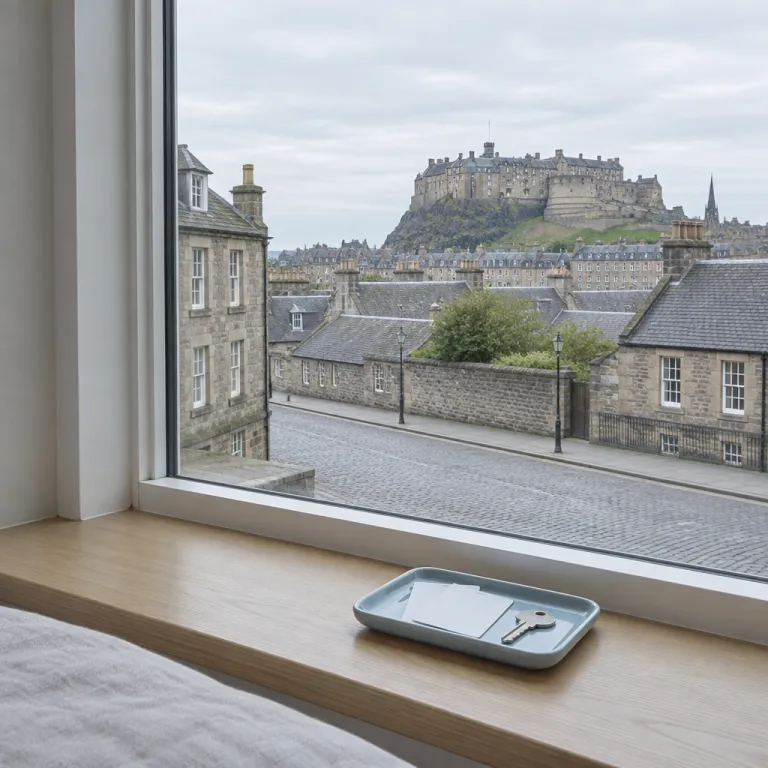
Edinburgh tourist tax 2026: what the 5% visitor levy really is
Edinburgh is the first city in Scotland where a formal visitor levy will apply to almost every paid overnight accommodation, from George Street grand dames to modest bed and breakfasts near Haymarket. The Edinburgh council scheme is a 5% tourist tax on the cost of your room before VAT, and the charge will be added only to the first five nights of any stay in the city. For most visitors this means the new levy will feel like a modest line on the bill rather than a reason to avoid a stay in Edinburgh altogether.
The visitor levy applies to hotels, guest houses, hostels, aparthotels, self catering flats and licensed short term lets, and it will also cover many caravan park options on the edge of the city. If you are planning to stay at a site such as Linwater Caravan Park to keep costs down, the levy will still be charged on your paid overnight pitch, because the tax is tied to almost all forms of overnight accommodation rather than just traditional hotels. What matters is that you are paying for a place to stay in Edinburgh, not whether you sleep under slate, glass or canvas.
Edinburgh council has been clear that the levy will support the city’s public realm, cultural heritage and tourism infrastructure, rather than disappearing into a general pot. The stated aim is that the tourist tax will help maintain the streets and services that visitors use, from busy city centre pavements in August to the parks and paths that make a quiet autumn stay feel civilised. For a budget savvy weekender, that means the tax Edinburgh introduces should, over time, support the very things that make a short stay here feel worth the train fare.
How much the levy adds to a real autumn stay
To understand what the Edinburgh tourist tax 2026 actually costs, you need to look at a real room rate rather than an abstract percentage. At the time I checked, a centrally located three star hotel near Princes Street in the city centre was offering an autumn weekend rate of about £140 per night for a double room, which is a typical mid range price for an Edinburgh visitor who wants to walk everywhere. On that basis, the 5% visitor levy will add around £7 per night to the accommodation charge, so a three night stay in Edinburgh would see roughly £21 of tourist tax on your bill.
Because the levy is calculated on the pre VAT room rate, extras such as breakfast, parking or tram tickets from the airport are not included in the calculation. If you choose a cheaper guest house or one of the many family run bed and breakfasts in residential streets off Leith Walk, paying perhaps £100 per night, the visitor levy will fall to about £5 per night, which keeps the total cost manageable for most people. The key point is that the levy will scale with your chosen level of comfort, so budget travellers who stay outside the most fashionable parts of city Edinburgh will see a smaller absolute charge.
For longer trips, the rule that the levy is charged only on the first five nights of any stay becomes important. A week in a modest apartment in Stockbridge or a cabin at a caravan park on the edge of the city will still see only five nights of visitor levy, even if you stay ten nights in total. If you are planning how many days to spend in the city, it is worth reading a detailed guide such as this breakdown of how many days in Edinburgh make sense for a refined, well planned stay, then layering the likely levy cost on top.
Booking now, staying later: prepaid rates, exemptions and timing
The most practical question around the Edinburgh tourist tax 2026 is when the levy will actually be charged on your booking. The scheme applies to stays from late July onwards, so any paid overnight visit that begins after the start date will include levy on the first five nights, whether you booked months ago or the day before arrival. However, there is a specific exemption for bookings that are made and paid, in part or in full, before a set cut off date, so some early planners will avoid the tax Edinburgh is introducing on those stays.
For a budget conscious visitor, the interaction between non refundable prepaid rates and the visitor levy deserves attention. If you lock in a low advance purchase rate at a hotel or one of the city’s many bed and breakfasts, and you pay before the exemption deadline, the levy will not be added later even if your stay falls after the scheme begins. If you only pay a small deposit before that date and settle the balance on arrival, the levy will be charged on the unpaid portion of the overnight accommodation, so read the rate conditions carefully before you commit.
Timing also matters for those who like to visit Edinburgh in late summer, when the festival season spills into August and room prices in the city centre climb sharply. A three night stay in a simple guest house off the Royal Mile might cost £180 per night during the peak festival period, which means the visitor levy will add around £9 per night on top of already high prices. If you shift your time in Edinburgh to the calmer shoulder weeks, when rates soften and the streets empty, the levy will fall in absolute terms and the overall stay will feel far better value.
Why the levy exists: fairness, public services and cultural heritage
Edinburgh’s visitor levy sits in a wider European pattern where city taxes are used to support public services that carry the weight of tourism. In many continental cities, from Amsterdam to Barcelona, visitors pay a nightly tourist tax that helps fund cleaning, transport and the preservation of historic streets, and the Edinburgh tourist scheme follows that logic while tying the charge directly to paid overnight stays. The difference is that the Scottish model uses a percentage rather than a flat fee, so people who choose more expensive accommodation will contribute more to the city.
The stated purpose of the levy is to support the maintenance of public spaces, cultural heritage and the infrastructure that keeps the city functioning during busy periods. When hundreds of thousands of visitors flood into the city centre during the festival in August, the cost of extra cleaning, policing and transport falls heavily on the local budget, and the visitor levy is designed to share that burden more fairly. Over time, the levy will also help fund improvements that benefit both residents and visitors, from better wayfinding around Waverley station to more resilient paths in Holyrood Park.
For travellers who care about where their money goes, this framing matters. Paying a modest tourist tax as part of your stay in Edinburgh can be seen as a contribution to the cultural heritage you have come to enjoy, rather than a stealthy surcharge. It is not the postcard skyline that needs support, but the cobbles under your feet, the bus routes you ride and the festival venues that turn a grey August evening into something memorable.
Where to stay and how to keep the levy in perspective
Choosing the right base in city Edinburgh will shape how you feel about the visitor levy, because neighbourhood and price band determine the absolute size of the charge. If you stay in the New Town, in a Georgian townhouse near St Andrew Square tram stop, you will pay more per night and therefore more levy, but you may save on taxis because almost everything sits within a fifteen minute walk. A guest house in Leith or a cabin at Linwater Caravan Park will carry a smaller levy per night, and the tram or bus fare into the city centre will still keep the total cost lower than a high end address on the Royal Mile.
For a budget savvy weekender, the trick is to balance nightly rate, transport and the feel of the area. A simple room above a pub in Tollcross or a compact apartment in Marchmont will usually mean a lower accommodation charge, so the visitor levy will also be modest, and you can walk or take a short bus ride to the Old Town without feeling short changed. If you prefer the quiet of Dean Village or the residential streets of Bruntsfield, the levy will again reflect the room price, but the calmer atmosphere can make a three night stay feel like a genuine break rather than a box ticking dash.
In practice, the Edinburgh tourist tax 2026 should be one line in your budget, not the deciding factor in whether you visit Edinburgh at all. Focus on finding overnight accommodation that suits your rhythm, whether that is a family run bed and breakfast near the Meadows or a serviced apartment by the Shore in Leith, then add 5% to the room cost and move on. The real question is not how to avoid the levy, but how to use your time in Edinburgh so that every pound, tax included, feels well spent.
FAQ
How is the Edinburgh visitor levy calculated on my hotel bill ?
The visitor levy is calculated as 5% of the cost of your room per night, before VAT and excluding extras such as breakfast or parking. It applies to almost all paid overnight accommodation, including hotels, guest houses, hostels, self catering flats and many caravan park stays. The levy is only charged on the first five nights of any single stay in the city.
Will I see the tourist tax when I book online ?
Most major booking platforms and hotel websites will show the visitor levy either included in the total price or as a separate line before you confirm. If the tax Edinburgh applies is not clearly displayed, you should assume that 5% will be added to the pre VAT room rate and ask the property for clarification. By the time you check in, the levy will be fixed according to the rate and number of nights on your reservation.
Does the levy apply if I stay in a caravan or campsite near Edinburgh ?
The visitor levy covers many forms of paid overnight accommodation, including pitches at a caravan park within the council area. If you stay at a site such as Linwater Caravan Park and pay for a pitch or pod, the 5% charge will usually apply to the nightly fee. Only unpaid or exempt stays, such as certain long term arrangements, fall outside the scope of the scheme.
Can I avoid the levy by staying outside the city centre ?
Staying outside the city centre can reduce the absolute amount of levy you pay, because room rates in suburban districts and at caravan parks are often lower. However, as long as your accommodation lies within the Edinburgh council boundary and you pay for the stay, the visitor levy will still be charged. To avoid surprises, check the address and ask the property directly whether the tax applies.
Is the visitor levy a reason to skip a trip to Edinburgh ?
For most visitors, the Edinburgh tourist tax 2026 adds only a small percentage to the overall cost of a short break. On a typical mid range stay, the levy is likely to be less than the price of a round of drinks or a museum ticket, while helping to support public services and cultural heritage in the city. It should be treated as a normal part of travelling to a major European destination, not a deterrent.
References
Edinburgh Council – Visitor Levy in Edinburgh (policy details and exemptions)
Scottish Government – Visitor levy legislation overview
European City Tourism bodies – comparative information on city tax models across Europe