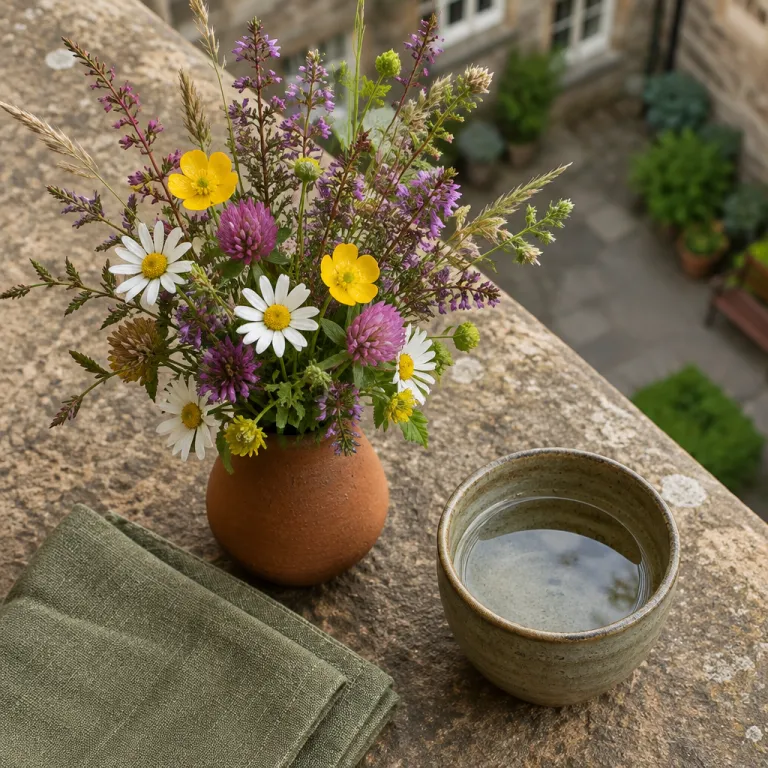
Why flowers in Scotland matter when you book an Edinburgh hotel
Choosing a hotel in Edinburgh becomes richer when you understand the wild flowers in Scotland that shape its landscapes. Across the city, thoughtful hoteliers now weave Scottish flora into interiors, amenities, and guest experiences, creating a quiet bridge between urban comfort and the north’s wild habitats. This connection to native plants and trees helps visitors feel part of local life rather than spectators.
When you check in near Princes Street Gardens or the Royal Mile, you are often only a short walk from plantings inspired by the thistle, heather, and other Scottish plants that define the country’s natural heritage. Many properties collaborate with local makers who use flowers in Scotland as both raw material and inspiration, from heather infused toiletries to artworks celebrating the emblem of Scotland in subtle, contemporary ways. These partnerships give you a more original stay while directly supporting craftspeople who protect Scotland’s flora through their work and sourcing.
Understanding this network of growers, florists, and artisans also helps you read between the lines of hotel descriptions. A lobby arrangement of Scottish bluebells or a courtyard planted with Scots pine and bell heather usually signals a deeper respect for natural history and conservation. When a hotel highlights native species such as bog myrtle, dog violet, or the rare Scottish primrose, it often reflects a broader commitment to bees, biodiversity, and the long term health of habitats across the country.
From thistle to Scottish bluebell: native flora shaping hotel style
The thistle, officially recognised as the national flower of Scotland, appears everywhere in Edinburgh hotels, from embroidered cushions to etched glassware. Some properties commission local artists and Scottish botanists to reinterpret this emblem of Scotland in minimalist line drawings or large scale murals, turning a common motif into something quietly sophisticated. You may notice that the same plant also appears in landscaped courtyards, where its spiky form and purple flowers attract bees and other pollinators.
Equally evocative are the delicate Scottish bluebells, also known as harebells, which many florists use in seasonal arrangements for hotel lounges and suites. Their nodding heads echo the wild flowers in Scotland that you see on summer walks in the north and north west, and they soften the stone and glass of contemporary interiors. Hotels that work with specialist growers often request mixed displays of bluebells, bell heather, and other native species to mirror the look of moorland and coastal cliffs within city walls.
Some of the most thoughtful properties go further by referencing rarer species in their design stories. At The Balmoral, for example, framed illustrations of Primula scotica, the tiny Scottish primrose that grows only on northern coasts, or mountain avens from high ground, may appear in corridors, each labelled with its Latin name and a short note on its natural history. These details, often curated in partnership with the Royal Botanic Garden Edinburgh or the Botanical Society of Scotland, turn circulation spaces into quiet galleries that celebrate Scotland’s plant life while gently educating guests.
Local makers, Scottish plants and the guest amenities you actually notice
Behind many of the most memorable amenities in Edinburgh hotels stands a small network of local makers who specialise in Scottish plants. Soap producers, perfumers, and textile designers draw on native blossoms and woodland scents as both scent and symbol, creating products that feel rooted in place rather than generic. When you see ingredients such as heather, bog myrtle, or Scots pine on a label, you are experiencing a direct link between your room and the wider landscapes of Scotland.
Artisan perfumers often build fragrances around the resinous notes of Scots pine and the honeyed nuance of bell heather, echoing the mixed woodland and moorland that define many habitats in Scotland. Others work with distillations of dog violet or Scottish bluebell, blending them with citrus or spice to create modern scents that still evoke natural heritage and life outdoors. These makers usually source from growers who prioritise native species and avoid over harvesting, which means your complimentary toiletries quietly support conservation minded supply chains.
Textile studios across the city also interpret flowers in Scotland in woven and printed form. Cushions, throws, and wall hangings may feature stylised thistle heads, the silhouette of a Scots pine tree, or repeating patterns inspired by Primula scotica and other rare species. When hotels commission such work directly from workshops such as Harris Tweed Hebrides or smaller Edinburgh weavers, they help sustain a living tradition of design that respects both natural history and contemporary aesthetics, giving you a tactile reminder of the landscapes beyond the city.
Seasonal flowers in Scotland and how they shape your stay
The timing of your visit to Edinburgh changes which flowers in Scotland you will encounter in hotel arrangements and nearby gardens. In late spring, bluebells carpet woodlands on the city’s edge, and florists echo this with vases of Scottish bluebells and other native flowers in lobbies and breakfast rooms. By July, the focus shifts towards thistle, heather, and other high summer species that thrive in the longer days of the north.
Hotels that work closely with local growers often plan their floral schemes around the natural rhythm of Scotland’s flora. When Scottish primrose and Primula scotica are in bloom on the far northern coasts, you may see their colours referenced in textiles or artwork rather than in cut flowers, because these species are too rare to harvest. At the same time, more common plants such as bell heather, bog myrtle, and dog violet appear in arrangements that support bees and other pollinators, reinforcing a sense of life and movement even in quiet corners.
Seasonality also influences the experiences concierges recommend. A stay in early summer might include a day trip to the Royal Botanic Garden Edinburgh to explore collections of Scottish plants and trees, followed by a walk in nearby woodlands where bluebells and other wild flowers in Scotland still linger. Later in the season, staff may suggest excursions towards the north west Highlands, where mountain avens, heather, and the sculptural forms of Scots pine dominate the hills, giving you a deeper context for the motifs you have seen throughout your hotel.
Practical ways hotels connect guests with Scotland’s natural heritage
Many Edinburgh properties now treat flowers in Scotland as a starting point for guest experiences rather than just decoration. Some partner with guides trained in natural history to lead small group walks on Arthur’s Seat or the Water of Leith, pointing out native plants, common species, and the occasional rarity along the way. Others collaborate with the Royal Botanic Garden Edinburgh on talks that explain why “Number of vascular plant species in Scotland: around 1600 species” and why “Estimated UK population of Twinflower remaining: roughly 800 plants” matter for long term conservation (figures based on summaries from NatureScot and Flora of Scotland resources).
Thoughtful concierges also help with logistics so you can explore Scotland’s flora without worrying about your luggage or timings. Many will direct you to specialist services for Edinburgh luggage storage options for hotel guests, allowing you to spend a final afternoon in the gardens or on a coastal path before an evening flight. Some hotels even provide small field guides produced with the Botanical Society of Scotland, highlighting the thistle, Scottish bluebell, Scottish primrose, and other emblematic wild flowers that you might see on day trips.
These initiatives often align with broader policies set by the Scottish Government on biodiversity and sustainable tourism. By foregrounding native species such as Scots pine, bell heather, bog myrtle, and mountain avens, hotels support the same goals as conservation bodies and local communities. For guests, the result is a stay that feels both luxurious and grounded, where every reference to flowers in Scotland carries a story about place, responsibility, and the people who care for these landscapes.
How policy, science and craft shape floral sourcing for Edinburgh hotels
Behind the scenes, the way hotels use flowers in Scotland is shaped by a quiet collaboration between policymakers, scientists, and craftspeople. Guidance from the Scottish Government on protecting natural heritage influences how florists and growers source Scottish plants, especially when dealing with rare species. Conservation bodies such as NatureScot and the Royal Botanic Garden Edinburgh provide data on habitats in Scotland, helping suppliers avoid sensitive areas and focus on cultivated stock.
Professional networks, including the Botanical Society of Scotland and other groups of Scottish botanists, play a crucial role in translating natural history into practical advice for the hospitality sector. Their research on species distribution, from common heather and Scots pine to more restricted plants like Primula scotica and Scottish primrose, informs which flowers in Scotland can be used freely and which should remain untouched in the wild. As a result, many hotels now favour cultivated varieties or artistic representations of rare species, reserving actual cut stems for abundant, resilient plants.
Local makers then interpret this guidance through craft. Perfumers choose notes of bog myrtle, bell heather, and dog violet that can be sourced sustainably, while textile designers base patterns on the thistle and other emblem Scotland motifs without impacting wild populations. The outcome for guests is subtle but significant; when you enjoy a scented soap or admire a woven throw in your Edinburgh room, you are participating in a carefully balanced system that respects both flowers in Scotland and the people who depend on them for their livelihoods.
Choosing an Edinburgh hotel that reflects Scotland’s flora
When you compare hotels in Edinburgh, paying attention to how they reference flowers in Scotland can help you identify properties with genuine local character. Look for clear mentions of partnerships with nearby growers, florists, or artisans who specialise in Scottish plants and trees rather than generic imported blooms. A hotel that highlights native species such as thistle, heather, Scots pine, or Scottish bluebell is usually signalling a deeper engagement with Scotland’s flora and its natural heritage.
Reading between the lines of room descriptions also reveals useful clues. References to botanical prints featuring Primula scotica, mountain avens, or Scottish primrose, or to toiletries scented with bog myrtle and bell heather, suggest that the property has invested in local makers who understand natural history. When staff can explain the stories behind these choices, from the role of bees in pollinating common wild flowers in Scotland to the conservation status of rarer species, you gain a richer sense of place.
Finally, do not hesitate to ask direct questions before you book. You might enquire whether the hotel works with organisations such as the Royal Botanic Garden Edinburgh or the Botanical Society of Scotland, or whether any part of your stay supports projects that protect habitats in Scotland. A property that answers confidently and specifically is far more likely to offer an experience where the beauty of flowers in Scotland is woven thoughtfully into every aspect of your time in the city.
Key figures on Scotland’s flora and hotel connections
- Scotland hosts around 1600 vascular plant species, a richness that allows Edinburgh hotels to feature a wide range of native flowers in Scotland in their gardens and interiors (based on Flora of Scotland and NatureScot summaries).
- The remaining UK population of Twinflower is estimated at about 800 plants, which is why responsible properties reference this species in artwork or interpretation rather than using it as a cut flower (reported in Scottish Biodiversity List material and associated surveys).
- Blooming periods for emblematic species such as thistle, Scottish primrose, Scottish bluebell, and Twinflower span from spring to early July, shaping the seasonal floral displays you see in lobbies and restaurants (collated from Royal Botanic Garden Edinburgh notes on native species).
- Partnerships with institutions like the Royal Botanic Garden Edinburgh and NatureScot help hotels align their sourcing with national biodiversity goals set by the Scottish Government, ensuring that decorative use of flowers in Scotland supports long term conservation.
FAQ about flowers in Scotland and Edinburgh hotels
What is Scotland’s national flower and will I see it in hotels ?
The thistle is recognised as the national flower of Scotland, and you will often see it in Edinburgh hotels as a design motif, in courtyard plantings, or in seasonal arrangements that support bees and other pollinators.
Where does the Scottish primrose grow and how is it referenced in the city ?
The Scottish primrose grows naturally only on the northern mainland coast and in Orkney, so in Edinburgh it usually appears in illustrations, textiles, or educational displays rather than as a cut flower, reflecting its rarity and conservation importance.
What is meant by the Scottish bluebell in hotel descriptions ?
The Scottish bluebell, also called harebell, is a delicate native wildflower, and hotels may feature it in floral arrangements, artwork, or scent profiles to evoke the look and feel of open Scottish landscapes.
How can I experience native flowers in Scotland during an Edinburgh stay ?
You can combine hotel based experiences, such as visiting on site gardens or attending talks, with trips to the Royal Botanic Garden Edinburgh and nearby woodlands, where paths and interpretation boards highlight key native species and their natural history.
Do Edinburgh hotels support conservation of Scotland’s flora ?
Many properties now work with local growers, conservation bodies, and scientific organisations to source native plants responsibly, avoid rare species such as Twinflower and Scottish primrose, and contribute to wider efforts to protect habitats in Scotland.
Trusted references
- Royal Botanic Garden Edinburgh
- NatureScot
- Botanical Society of Scotland